
Mosquito Control in Kerala: How to Protect Your Home and Family After the Monsoon
Discover innovative eco-friendly pest control solutions that are both effective and sustainable. Our methods ensure the safety of your home, protect your health, and preserve the environment. Choose a greener approach to pest management.
The rains may be easing, but the mosquitoes are just getting started. Every year, once the heavy showers fade, Kerala sees a sharp rise in mosquito activity and mosquito-borne illness. Water collects in countless small places, and in a warm, humid climate it becomes a breeding ground within days. Effective mosquito control in Kerala is not only about comfort. It is about protecting your family from dengue, chikungunya, malaria and other diseases. Whether you live in a busy city, a backwater town or a farming village, this seasonal challenge reaches every part of the state.
Why Mosquitoes Surge After the Monsoon
Mosquitoes need standing water to lay eggs, and the monsoon leaves plenty behind. Puddles, blocked drains, flooded paddy fields, discarded containers and wet construction sites all turn into nurseries. A female mosquito can lay over a hundred eggs at a time, and under warm conditions the eggs can become adults in about a week.
Kerala’s mix of dense vegetation, canals, ponds and closely built homes gives mosquitoes plenty of shade, moisture and hiding places. In backwater and plantation areas, where residents and resorts often rely on a local Pest control kottayam team, even a small neglected corner can affect an entire neighbourhood.
Common Mosquito Types and the Risks They Carry
-
Aedes mosquitoes: Day-biting mosquitoes that breed in clean, stagnant water and spread dengue and chikungunya. They love flower pots, tyres, coconut shells and water storage containers.
-
Anopheles mosquitoes: Usually active at dusk and night, and responsible for spreading malaria. They prefer slow-moving or stagnant water such as ponds and paddy fields.
-
Culex mosquitoes: Night biters that breed in dirty water and drains, and can carry diseases like filariasis and Japanese encephalitis.
Knowing which type you are dealing with helps you decide where to look for breeding sites.
Find and Remove Breeding Sites
The most powerful form of mosquito control is stopping them before they fly. Spend ten minutes each week checking:
-
Flower pots and plant trays. Empty the saucers and change the water in vases and money plants.
-
Buckets, drums and tanks. Cover them tightly or empty them regularly.
-
Discarded items. Remove old tyres, coconut shells, plastic cups and broken pots.
-
Terraces and sunshades. Clear leaves and make sure water drains out fully.
-
Drains and gutters. Unblock them so water does not pool.
-
Air conditioner trays, fridge trays and coolers. Clean and dry them often.
-
Fish ponds and water features. Add mosquito-eating fish or keep the water moving.
Remember the rule of thumb: even a bottle cap of water can host mosquito larvae.
Protect Your Home and Body
Some simple precautions reduce bites inside the house:
-
Install mesh screens on windows, doors and ventilators, and repair any tears.
-
Use bed nets, especially for babies, the elderly and sleeping areas near gardens.
-
Wear light-coloured, full-sleeved clothes at dawn and dusk when mosquitoes are most active.
-
Apply approved repellents to exposed skin, following label directions.
-
Use fans. Mosquitoes are weak fliers, so a strong breeze keeps them away.
-
Keep your garden trimmed. Tall grass and dense shrubs give adult mosquitoes cool places to rest.
Natural aids such as neem oil, camphor, and plants like tulsi or lemongrass may help a little, but they should be treated as a supplement and not a complete solution.
When Professional Help Is Needed
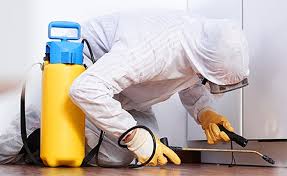
DIY methods work for small problems, but they struggle when mosquitoes keep returning. If you notice swarms around your property, repeated bites indoors, or cases of fever in your area, it is time to get expert help. Professional treatment includes inspection of breeding sites, larvicide application in stagnant water, residual spraying in resting areas and, where suitable, fogging for quick knockdown. Technicians also advise on long-term changes, such as drainage and storage practices.
Resorts, hospitals, schools, factories and housing societies benefit most from scheduled programmes, because mosquito numbers can bounce back within weeks if treatment stops. In agricultural regions with irrigation channels and wet fields, a trusted Pest control palakkad provider can design a plan that suits the local terrain and season.
Conclusion
Mosquito control in Kerala works best as a shared effort. Remove standing water, protect your living spaces and call professionals when infestations grow. A few weekly habits can prevent illness, save medical costs and bring back peaceful evenings at home. Start with a quick walk around your house today, and you may be surprised at how many breeding spots you can remove in minutes. Feel free to call Fumitech for a free inspection and expert advice on mosquito control for your home or business. Our certified team is ready to help you keep your family safe and your property mosquito-free.
Frequently Asked Questions
1. Why does mosquito control in Kerala become more urgent after the monsoon?
The rains leave behind stagnant water in drains, containers, fields and low-lying areas. These become breeding sites, and the warm, humid climate speeds up the mosquito life cycle, causing a rapid rise in numbers.
2. How often should I clean my home for mosquito breeding sites?
Check and empty any container that holds water at least once a week. Mosquito eggs can hatch into adults in around seven days, so weekly cleaning breaks the cycle.
3. Which mosquito spreads dengue in Kerala?
Dengue is spread by the Aedes mosquito, which bites during the day and breeds in clean, still water such as flower pots, buckets, coconut shells and discarded tyres.
4. Are natural repellents like neem oil and camphor effective?
They may offer short-term, limited protection indoors, but they do not remove breeding sites or kill larvae. Use them alongside screens, nets and proper water management, not instead of them.
5. Is fogging enough to control mosquitoes?
Fogging kills adult mosquitoes quickly, but it does not stop larvae from developing. For lasting results, it should be combined with breeding-site removal, larvicide treatment and residual spraying.
6. When should I call a professional mosquito control service?
Call a professional if mosquitoes keep returning despite your efforts, if bites occur frequently indoors, if there are known fever cases nearby, or if you manage a commercial space, resort or large property where regular treatment is needed.