
Bedbug Control in Kerala: A Practical Guide to Detecting and Removing Bed Bugs Quickly
Discover innovative eco-friendly pest control solutions that are both effective and sustainable. Our methods ensure the safety of your home, protect your health, and preserve the environment. Choose a greener approach to pest management.
Bed bugs are among the most frustrating household pests. These tiny insects hide in mattresses, furniture, and cracks in walls, making them difficult to detect and eliminate. Once they infest a home, they can multiply quickly and cause sleepless nights, skin irritation, and stress for homeowners. Understanding how to identify bed bugs early and take the right control measures is essential for keeping your home comfortable and pest-free.
This guide will help you recognize the signs of bed bug infestations and explain effective methods to eliminate them quickly.
What Are Bed Bugs?
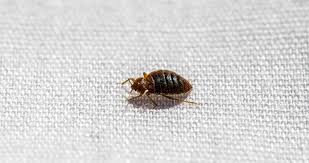
Bed bugs are small, reddish-brown insects that feed on human blood, usually during the night. They are about the size of an apple seed and are known for hiding in small crevices near sleeping areas. Unlike some other pests, bed bugs do not spread diseases, but their bites can cause itching, allergic reactions, and sleep disturbances.
Because they are excellent at hiding and reproducing rapidly, bed bugs can become a serious problem if not treated quickly. Early identification is the key to controlling them effectively.
Signs of a Bed Bug Infestation
Recognizing the early warning signs of bed bugs can help you take action before the infestation spreads.
1. Small Bites on the Skin
One of the first signs of bed bugs is waking up with itchy red bites on the skin. These bites often appear in clusters or lines on exposed areas such as the arms, neck, or legs.
2. Blood Stains on Bedding
After feeding, bed bugs may leave small blood spots on bed sheets, pillowcases, or mattresses. These stains are usually small but noticeable upon close inspection.
3. Dark Spots on Mattresses
Bed bugs leave behind dark fecal spots that look like tiny black dots on mattresses, bedding, and nearby furniture. These spots are often found along mattress seams or bed frames.
4. Bed Bug Shells or Eggs
As bed bugs grow, they shed their skins. Finding tiny pale shells or eggs in mattress seams or furniture cracks is another sign of infestation.
5. Musty Odor
Large infestations may produce a mild musty smell caused by bed bug pheromones. If this odor appears near sleeping areas, it may indicate a growing problem.
Where Bed Bugs Hide
Bed bugs are experts at hiding in small spaces. Common hiding spots include:
-
Mattress seams and box springs
-
Bed frames and headboards
-
Upholstered furniture
-
Curtains and carpets
-
Cracks in walls and furniture joints
Because of their ability to hide in narrow spaces, bed bugs often remain unnoticed until the infestation becomes larger.
Steps to Eliminate Bed Bugs Quickly
Once bed bugs are identified, immediate action is important to prevent them from spreading to other areas of the home.
1. Thorough Cleaning
Start by washing all bedding, pillow covers, blankets, and clothing in hot water. Heat helps kill bed bugs and their eggs. Dry the items on high heat for at least 30 minutes for better results.
Vacuum mattresses, carpets, and furniture carefully. Pay attention to seams, corners, and cracks where bed bugs may hide.
2. Reduce Clutter
Bed bugs thrive in cluttered environments because they have more hiding places. Reducing clutter around beds and furniture can help make treatment more effective and prevent the pests from spreading.
3. Use Protective Mattress Covers
Special mattress encasements can trap bed bugs inside and prevent new ones from entering. These covers are designed to block pests and make it easier to monitor infestations.
4. Inspect and Treat Furniture
Bed bugs can spread through furniture, luggage, and other household items. Inspect all nearby furniture carefully and clean or treat it as needed.
5. Seek Professional Pest Control
While basic cleaning can help reduce bed bug numbers, professional pest control services are often necessary for complete elimination. Experts use advanced treatment methods to reach hidden areas and ensure that bed bugs and their eggs are removed effectively.
In regions with warm climates, professional services such as bedbug control in kerala are commonly used to manage infestations and prevent them from returning.
Preventing Future Bed Bug Infestations
After eliminating bed bugs, it is important to take preventive measures to ensure they do not return.
-
Regularly inspect mattresses and furniture for signs of pests
-
Avoid bringing used furniture into the home without inspection
-
Wash travel clothes and luggage after trips
-
Keep sleeping areas clean and clutter-free
-
Use protective mattress covers for added safety
Routine inspections and good hygiene practices can significantly reduce the risk of future infestations.
When to Call Professionals
If bed bug activity continues even after cleaning and home treatments, professional pest control services are the best option. Pest control experts have specialized equipment and treatment methods that can eliminate bed bugs from difficult-to-reach areas.
Professional treatments are designed to address the entire infestation, including eggs and hidden colonies. This approach provides more reliable results compared to DIY solutions alone.
Bed bugs can quickly turn a comfortable home into a stressful environment. Their ability to hide and reproduce rapidly makes early detection and prompt action essential. By learning how to identify bed bug signs, cleaning affected areas thoroughly, and taking preventive measures, homeowners can reduce the risk of infestation.
When the problem becomes difficult to manage, professional solutions such as bedbug control in kerala can help ensure complete elimination and long-term protection. With proper care and timely treatment, it is possible to keep your home safe, clean, and free from bed bugs.
FAQs
1. What are the early signs of a bed bug infestation in homes?
Early signs include itchy bite marks on the skin, small blood stains on bed sheets, dark spots on mattresses, and tiny shed skins or eggs around bed frames and furniture.
2. How long does a professional bed bug treatment usually take?
Professional treatment usually takes a few hours for one session, but complete elimination may require one or two follow-up visits depending on the severity of the infestation.
3. Do bed bugs transmit diseases to people?
Bed bugs are not known to spread diseases, but their bites can cause itching, skin irritation, allergic reactions, and disturbed sleep.
4. Why are bed bugs commonly found in bedrooms?
Bed bugs prefer bedrooms because they feed on human blood at night and tend to hide close to where people sleep, such as mattresses, bed frames, and nearby furniture.
5. Which treatment works better for bed bugs, heat treatment or chemical treatment?
Both methods can be effective. Heat treatment kills bed bugs and eggs quickly, while chemical treatment targets hidden pests. Pest control professionals often use a combination of both for better results.