
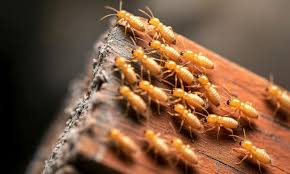
Anti Termite Treatment in Kerala: Protecting Homes from Termite Damage
Discover innovative eco-friendly pest control solutions that are both effective and sustainable. Our methods ensure the safety of your home, protect your health, and preserve the environment. Choose a greener approach to pest management.
Termites are one of the most destructive pests that can affect homes and buildings. These small insects feed on wood and other cellulose materials, often causing serious structural damage before homeowners even realize there is a problem. Because termites usually live underground or inside wooden structures, their presence can go unnoticed for long periods.
In regions with warm and humid climates, termite infestations are particularly common. Kerala’s tropical weather provides ideal conditions for termites to grow and spread quickly. For this reason, many homeowners consider anti termite treatment in Kerala an essential step in protecting their homes and properties from long-term damage.
Understanding how termites invade buildings and learning the best ways to control them can help prevent costly repairs and maintain the safety of your home.
Why Termites Are a Common Problem in Kerala
Kerala’s climate plays a major role in the growth and spread of termites. The combination of high humidity, frequent rainfall, and warm temperatures creates an environment where termites can survive and reproduce throughout the year.
Several factors make homes vulnerable to termite attacks:
Moist soil conditions: Termites thrive in damp soil and often build colonies underground.
Wooden structures: Furniture, doors, windows, and wooden flooring provide a food source for termites.
Cracks in foundations: Small gaps in walls or foundations allow termites to enter buildings easily.
Poor ventilation: Damp and poorly ventilated areas create ideal conditions for termite colonies.
Because of these conditions, regular inspection and preventive treatment are important for homes and commercial buildings.
Signs of Termite Infestation
Detecting termites early can help prevent serious structural damage. However, termites often remain hidden inside walls or wooden structures, making them difficult to identify.
Some common signs of termite infestation include:
Mud tubes on walls or foundations
Termites build small mud tunnels to travel between their nests and food sources.
Hollow-sounding wood
Wood that sounds hollow when tapped may indicate termite damage inside.
Discarded wings
Termites shed their wings after swarming, and these wings are often found near windows or doors.
Damaged wooden furniture
Termites can weaken wooden structures, causing cracks, holes, or surface damage.
If these signs appear, it is important to take action quickly to prevent further damage.
Types of Termites Found in Homes
Different types of termites can infest residential and commercial buildings. Each type behaves differently and requires specific treatment methods.
Subterranean Termites
These termites live in soil and build underground colonies. They travel through mud tubes to reach wooden structures and are one of the most destructive species.
Drywood Termites
Drywood termites infest dry wooden furniture, doors, and frames. Unlike subterranean termites, they do not require contact with soil.
Dampwood Termites
These termites prefer wood with high moisture content and are often found in damp or poorly ventilated areas.
Identifying the termite species helps pest control professionals choose the most effective treatment method.
Methods Used for Termite Control
Modern pest control techniques offer several effective ways to eliminate termite infestations and protect buildings from future attacks.
Soil Treatment
This method involves applying special chemicals to the soil around the building’s foundation. The treatment creates a protective barrier that prevents termites from entering the structure.
Wood Treatment
Chemical solutions are applied directly to wooden structures such as doors, windows, and furniture to protect them from termite damage.
Termite Bait Systems
Bait stations are placed around the property to attract termites. Once termites consume the bait, it spreads within the colony and helps eliminate the entire population.
Pre-Construction Treatment
This preventive treatment is applied before building construction begins. Chemicals are applied to the soil to protect the structure from termites in the future.
Each of these methods plays an important role in maintaining a termite-free environment.
Why Professional Termite Treatment Is Important
While some people try DIY solutions to control termites, these methods usually provide only temporary relief. Termite colonies often contain thousands of insects hidden deep inside walls or soil, making them difficult to eliminate without professional help.
Professional pest control services offer several advantages:
-
Detailed inspection of the property
-
Identification of termite species and infestation areas
-
Safe and effective chemical treatments
-
Long-lasting protection for buildings
Experts also provide recommendations on how to prevent termites from returning.
Tips to Prevent Termite Infestations
Preventing termites is easier than dealing with a severe infestation later. By following a few simple steps, homeowners can reduce the risk of termite damage.
Reduce moisture around the house by fixing leaking pipes and improving drainage.
Avoid storing wooden items directly on the ground to prevent termite access.
Seal cracks and gaps in walls and foundations to block entry points.
Keep firewood and wooden debris away from the house to reduce termite attraction.
Schedule regular termite inspections to detect problems early.
These preventive measures can significantly reduce the chances of termite infestations in homes.
Termites can cause significant damage to homes and buildings if they are not detected and treated early. Their ability to remain hidden makes them particularly dangerous, as infestations often go unnoticed until structural damage has already occurred.
With proper inspection, preventive measures, and effective pest control treatments, termite infestations can be managed successfully. Homeowners who take proactive steps to protect their properties can avoid costly repairs and maintain the safety of their living spaces.
Investing in professional termite protection not only safeguards wooden structures but also ensures long-term peace of mind for homeowners.
FAQs
1. What is anti termite treatment?
Anti termite treatment is a pest control method used to prevent or eliminate termites from homes and buildings by applying specialized chemicals to soil, wood, or affected areas.
2. Why is termite treatment important for homes?
Termites can damage wooden structures, furniture, and even building foundations. Proper treatment helps protect the property from costly structural damage.
3. How long does anti termite treatment last?
Most professional termite treatments can last between 3 to 5 years, depending on the treatment method and environmental conditions.
4. What are the common signs of termite infestation?
Common signs include mud tubes on walls, hollow-sounding wood, damaged furniture, and discarded termite wings near windows or doors.
5. Is anti termite treatment safe for families and pets?
Yes, when applied by trained professionals using approved chemicals, termite treatment is generally safe for families and pets.
6. When should anti termite treatment be done?
Anti termite treatment can be done during construction as a preventive measure or after construction if termites are detected in the building.